Showing posts with label henry wittenberg. Show all posts

"You've Got No Guts, Kid!"

Get ready for a heck of a story - one that I think you're going to enjoy enormously - and one that has an important lesson for all of us.


Hail to the Dinosaurs!

Two quick notes, and then we'll talk training.

1. Strength, Muscle and Power

We're getting very close to the end of the
line for Strength, Muscle and Power -
and I'm not going to do another printing any
time soon - perhaps not ever - so if you want
a copy, grab it now:
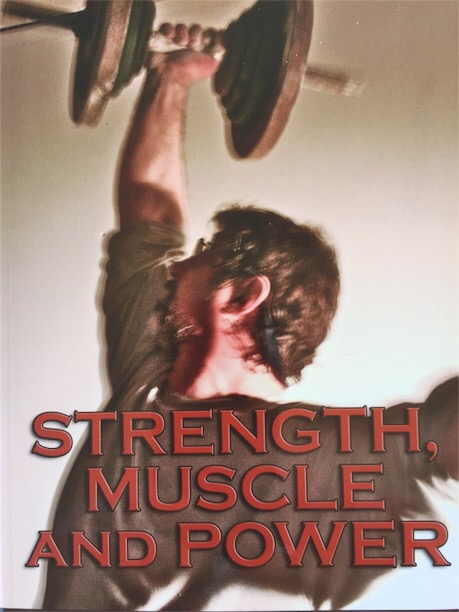


http://www.brookskubik.com/strength_muscle_power.html

2. The March Dinosaur Files

Here's the link to grab the March issue of
The Dinosaur Files. It's a great issue,
and we've been getting some seriously
good feedback from Dinos around the
world.

Go here to grab the little monster:

http://www.brookskubik.com/dinosaur-files-march2018pdf.html

Also - if you missed the October, Nov, Dec
Jan or Feb issues, go here to grab them so
you have the complete set:


Feb issue

http://www.brookskubik.com/dinosaur-files-february2018pdf.html

Oct, Nov, Dec and Jan issues

http://brookskubik.com/dinosaur_files.html

And please let me know how you like
this month's issue. Your feedback is
very important to us.

3. "You've Got No Guts, Kid!"

He was the captain of the chess team and a
bit of a bookworm.

In addition to chess and books, he loved to
swim. So he went out for the swim team.

But he had trouble making proper turns in
the pool -- which is bad news for a kid who
wants to be a competitive swimmer. It's
sort of like wanting to play baseball and
not being able to hit a curve ball.

His swim coach was less than happy with
him.

One day, the coach uttered these fateful
words:

"Kid, forget it. You'll never be a swimmer.
You've got no intestinal fortitude. You know
what that means? You've got no guts."

Twelve years later, the kid represented the
United States in the 1948 Olympic Games
in London.

Not in swimming -- but in wrestling!

In the semi-final match, he suffered a
crippling injury -- a severe muscle and
tendon tear in his chest.

He won the match, but afterwards he could
barely move. Pain ripped through his body
with every breath.

His coach told him to forfeit the gold medal
match.

"No way," he replied.

He went into the final match bandaged like a
mummy -- and challenged one of the very
best wrestlers in the world.

He won the match -- and the Olympic gold
medal.

His name was Henry Wittenberg, and he was
one of the greatest wrestlers who ever lived.

"No guts?"

Not hardly.

I don't know the name of the high school swim
coach who told Henry Wittenberg he had "no
guts" -- but I do know this:

People remember Henry Wittenberg.

No one remembers the swim coach.

As always, thanks for reading and have a
great day. If you train today, make it a
good one!

Yours in strength,

Brooks Kubik

P.S. Henry Wittenberg built tremendous strength
with old-school, Dino-style barbell and dumbbell
training -- the kind I cover in Dinosaur Training:
Lost Secrets of Strength and Development:


http://www.brookskubik.com/dinosaur_training.html

2.  My other books and courses are
right here at Dino Headquarters:


Hard-copy and PDF

http://www.brookskubik.com/products.html


Kindle

http://www.brookskubik.com/kindle.html

P.S. 3. Thought for the day: 

"Anyone who tells you that you can't
do it is wrong - dead wrong - totally,
absolutely and completely wrong."


-- Brooks Kubik

BEFORE YOU LEAVE . . .

We have more than 25 Dinosaur Training books and courses in the Kindle bookstore - here are several of them - head on over and take a look at the others:


How to Build Gold Medal Strength and Power

Hail to the Dinosaurs!

Yesterday, I shared an email about
Olympic gold-medal winner Henry
Wittenberg.

Now I want to tell you a bit about
his training.

Henry Wittenberg was one of the first
amateur wrestlers in the United States
to do heavy weight training.

His coach didn't believe in weight training
or weightlifting. He thought it made you
slow and muscle-bound -- which is what
most coaches thought back in the thirties
and forties. Heck, many coaches still
worried about the muscle-bound myth
when I was in high school back in the
70's!

Henry Wittenberg reasoned that building
great strength would make him a better
wrestler -- and that he'd maintain his
speed and his timing if he kept on doing
his regular wrestling workouts.

It was good thinking. In fact, it was 100
percent correct.

But because his coach didn't believe in
weight training, he had to train in secret.

And because he spent so much time on the
mat, he had to keep his barbell and dumbbell
workouts short and sweet, with no wasted
effort and no wasted time.

So he trained on the basics -- the military
press with barbells, squats, barbell bent-
over rowing, dumbbell curls and dumbbell
presses.

And it worked pretty well. He got REALLY
strong.

He worked up to doing TEN consecutive
reps in the military press with 200 pounds --
and that was his bodyweight -- so it was
pretty darn good.

He could military press 250 pounds for
a single.

That's some serious pressing power.

Whittenberg was strong in other exercises,
as well.

He squatted with 400 pounds, and did 10
reps in the bent-over row with 180 pounds.
And he handled 60 pound dumbbells in his
curls.

Not bad for a man who was training for a
different sport -- and who had to do his
lifting in secret so his coach wouldn't find
out about it!

At the 1948 Olympic Games he trained with
the United States Olympic weightlifting team.
He was so strong that the lifters tried to get
him to change sports!

For extra conditioning, he did roadwork.

Good old-fashioned running.

That, and his wrestling workouts, were all he
did -- and all he needed to do.

Eventually, he made a confession to his
wrestling coach. Admitted that he'd been
lifting weights in secret. At that point, he
was the Olympic champion -- so the
coach let him keep on lifting!

You can do a lot of fancy, modern stuff if
you're a wrestler -- but you also can train
like Henry Wittenberg. You can keep it
hard, heavy and simple.

And if you do, you'll do pretty darn well.

Yours in strength,

Brooks Kubik

P.S. If you want to build the kind of serious,
old-school pressing power and total body
strength that won Henry Wittenberg an
Olympic gold medal in wrestling, then
grab this little monster today:

Kindle e-book

http://www.brookskubik.com/militarypress_kindle.html

Hard-copy

http://www.brookskubik.com/militarypress_course.html

PDF with electronic delivery
See the section for the PDF courses at
our products page - and scroll down to
find the Military Press course.

http://www.brookskubik.com/products.html

P.S. 2. My other books and courses -- and
links to my other Kindle e-books and PDF
training courses -- are right here:

http://www.brookskubik.com/products.html

P.S. 3. Thought for the Day: "The answer to
most questions in life is good old fashioned
hard work." - Brooks Kubik

***********************************************************************************

"You've Got No Guts, Kid!"

Hail to the Dinosaurs!

He was the captain of the chess team and a
bit of a bookworm.

In addition to chess and books, he loved to
swim. So he went out for the swim team.

But he had trouble making proper turns in
the pool -- which is bad news for a kid who
wants to be a competitive swimmer. It's
sort of like wanting to play baseball and
not being able to hit a curve ball.

His swim coach was less than happy with
him.

One day, the coach uttered these fateful
words:

"Kid, forget it. You'll never be a swimmer.
You've got no intestinal fortitude. You know
what that means? You've got no guts."


Twelve years later, the kid represented the
United States in the 1948 Olympic Games
in London.

Not in swimming -- but in wrestling!

In the semi-final match, he suffered a
crippling injury -- a severe muscle and
tendon tear in his chest.

He won the match, but afterwards he could
barely move. Pain ripped through his body
with every breath.

His coach told him to forfeit the gold medal
match.

"No way," he replied.

He went into the final match bandaged like a
mummy -- and challenged one of the very
best wrestlers in the world.

He won the match -- and the Olympic gold
medal.

His name was Henry Wittenberg, and he was
one of the greatest wrestlers who ever lived.

"No guts?"

Not hardly.

I don't know the name of the high school swim
coach who told Henry Wittenberg he had "no
guts" -- but I do know this:

People remember Henry Wittenberg.

No one remembers the swim coach.

As always, thanks for reading and have a great
day. If you train today, make it a good one!

Yours in strength,

Brooks Kubik

P.S. Henry Wittenberg built tremendous strength
with old-school, Dino-style barbell and dumbbell
training -- the kind we cover in Dinosaur Training:
Lost Secrets of Strength and Development:

http://www.brookskubik.com/dinosaur_training.html

P.S. 2. My other books and courses are right
here -- along with links to my e-books on
Kindle and my PDF courses:

http://www.brookskubik.com/products.html

P.S. 3. Thought for the day: "Don't ever listen
to someone who tells you you can't do it."
-- Brooks Kubik

***********************************************************************************

How to Build Gold Medal Strength and Power!

Hail to the Dinosaurs!

Two weeks ago I shared an email about
Olympic gold-medal winner Henry
Wittenberg.

Now I want to tell you a bit about
his training.

Henry Wittenberg was one of the first
amateur wrestlers in the United States
to do heavy weight training.

His coach didn't believe in weight training
or weightlifting. He thought it made you
slow and muscle-bound -- which is what
most coaches thought back in the thirties
and forties. Heck, many coaches still
worried about the muscle-bound myth
when I was in high school!

Henry Wittenberg reasoned that building
great strength would make him a better
wrestler -- and that he'd maintain his
speed and his timing if he kept on doing
his regular wrestling workouts.

It was good thinking. In fact, it was 100
percent correct.

But because his coach didn't believe in
weight training, he had to train in secret.

And because he spent so much time on the
mat, he had to keep his barbell and dumbbell
workouts short and sweet, with no wasted
effort and no wasted time.

So he trained on the basics -- the military
press with barbells, squats, barbell bent-
over rowing, dumbbell curls and dumbbell
presses.

And it worked pretty well. He got REALLY
strong.

He worked up to doing TEN consecutive
reps in the military press with 200 pounds --
and that was his bodyweight -- so it was
pretty darn good.

He could military press 250 pounds for
a single.

That's some serious pressing power.

Whittenberg was strong in other exercises,
as well.

He squatted with 400 pounds, and did 10
reps in the bent-over row with 180 pounds.
And he handled 60 pound dumbbells in his
curls.

Not bad for a man who was training for a
different sport -- and who had to do his
lifting in secret so his coach wouldn't find
out about it!

At the 1948 Olympic Games he trained with
the United States Olympic weightlifting team.
He was so strong that the lifters tried to get
him to change sports!

For extra conditioning, he did roadwork.

Good old-fashioned running.

That, and his wrestling workouts, were all he
did -- and all he needed to do.

Eventually, he made a confession to his
wrestling coach. Admitted that he'd been
lifting weights in secret. At that point, he
was the Olympic champion -- so the
coach let him keep on lifting!

You can do a lot of fancy, modern stuff if
you're a wrestler -- but you also can train
like Henry Wittenberg. You can keep it
hard, heavy and simple.

And if you do, you'll do pretty darn well.

Yours in strength,

Brooks Kubik

P.S. If you want to build the kind of serious,
old-school pressing power and total body
strength that won Henry Wittenberg an
Olympic gold medal in wrestling, then
grab this little monster today:

Kindle e-book

http://www.brookskubik.com/militarypress_kindle.html

Hard-copy

http://www.brookskubik.com/militarypress_course.html

PDF edition

See the links to our PDF products at our
products page:

http://www.brookskubik.com/products.html

P.S. 2. My other books and courses -- and
links to my other Kindle e-books -- are
right here:

http://www.brookskubik.com/products.html

P,S. 3. Thought for the Day: "Train hard,
keep it real, and never give up." -- Brooks
Kubik

***********************************************************************************

"You've Got No Guts, Kid!"

Hail to the Dinosaurs!

He was the captain of the chess team and a
bit of a bookworm.

In addition to chess and books, he loved to
swim. So he went out for the swim team.
But he had trouble making proper turns in
the pool -- which is bad news for a kid who
wants to be a competitive swimmer. It's
sort of like wanting to play baseball and
not being able to hit a curve ball.

His swim coach was less than happy with
him.

One day, the coach uttered these fateful
words:

"Kid, forget it. You'll never be a swimmer.
You've got no intestinal fortitude. You know
what that means? You've got no guts."

Twelve years later, the kid represented the
United States in the 1948 Olympic Games
in London.

Not in swimming -- but in wrestling!

In the semi-final match, he suffered a
crippling injury -- a severe muscle and
tendon tear in his chest.

He won the match, but afterwards he could
barely move. Pain ripped through his body
with every breath.

His coach told him to forfeit the gold medal
match.

"No way," he replied.

He went into the final match bandaged like a
mummy -- and challenged one of the very
best wrestlers in the world.

He won the match -- and the Olympic gold
medal.

His name was Henry Wittenberg, and he was
one of the greatest amateur wrestlers who
ever lived.

"No guts?" Not hardly.

I don't know the name of the high school swim
coach who told Henry Wittenberg he had "no
guts" -- but I do know this: People remember
Henry Wittenberg. No one remembers the swim
coach.

As always, thanks for reading and have a great
day. If you train today, make it a good one!

Yours in strength,

Brooks Kubik

P.S. Henry Wittenberg built tremendous strength
with old-school, Dino-style barbell and dumbbell
training -- the kind we cover in Dinosaur Training:
Lost Secrets of Strength and Development:

http://www.brookskubik.com/dinosaur_training.html

P.S. 2. My other books and courses are right
here -- along with links to my e-books on
Kindle and my PDF courses:

http://www.brookskubik.com/products.html

P.S. 3. Thought for the day: "Don't ever listen
to someone who tells you you can't do it."
-- Brooks Kubik

**********************************************************************************

Training Tips from 35 Dinosaurs!

Hail to the Dinosaurs!

I just went through the January issue
of the Dinosaur Files (which we released
yesterday), and found something very
interesting.

The January issue features training advice,
tips, comments, suggestions and feedback
from 35 of your fellow Dinosaurs.

It also includes plenty of tips and training
advice from me -- as well as tips, advice,
and suggestions from or about:

1. Legendary Iron Game author Bradley J.
Steiner

2. Oldtime Strongman and Physical Culture
Director, Thomas Inch (yes, the very same
Thomas Inch who owned the "Unliftable
Dumbbell")

3. Olympic wrestling champion Henry
Wittenberg

4. Olympic Weightlifting coach Bob Hoffman
(who is featured in a detailed interview)

5. Two-time Olympic champion (and six time
World weightlifting champion) John Davis
6. Olympic Champion and medalist in
four different Olympics, Norb Schemansky

7. Four-time Olympic gold medal winner
in the discus, Al Oerter

8. Hardgainer author and Master's power-
lifter, Dr. Keith Hartman

9. Engineer, Master's powerlifter and inventer
of the Gerard Trap Bar, Al Gerard

10. Master's bodybuilder and author, Clarence
Bass

That's a heck of a lot of training advice --
from a variety of different sources. And that's
what I love about The Dinosaur Files. It's a
place where Dinos can get together and share
real world training advice. Meaning the stuff
that really works.

Think about it.

Training tips from 35 Dinos.  Plus 10 other
famous champions and recognized experts.
It doesn't get any better than that.

Yours in strength,

Brooks Kubik

P.S. Go here to grab the January issue of The
Dinosaur Files:

http://www.brookskubik.com/dinosaurfiles_januaryr2016.html

Note: If you missed the December issue
of The Dinosaur Files, you should start
with that issue:

http://www.brookskubik.com/dinosaurfiles_december2015.html

P.S. 2. My other books and courses are right
here at Dino Headquarters:

http://www.brookskubik.com/products.html

P.S. 3. Thought for the Day: "Never stop
training and never stop learning." -- Brooks
Kubik

***********************************************************************************

How to Build Gold Medal Strength and Power!

Hail to the Dinosaurs!

Earlier today I shared an email about
Olympic gold-medal winner Henry
Wittenberg.

Now I want to tell you a bit about
his training.

Henry Wittenberg was one of the first
amateur wrestlers in the United States
to do heavy weight training.

His coach didn't believe in weight training
or weightlifting. He thought it made you
slow and muscle-bound -- which is what
most coaches thought back in the thirties
and forties. Heck, many coaches still
worried about the muscle-bound myth
when I was in high school!

Henry Wittenberg reasoned that building
great strength would make him a better
wrestler -- and that he'd maintain his
speed and his timing if he kept on doing
his regular wrestling workouts.

It was good thinking. In fact, it was 100
percent correct.

But because his coach didn't believe in
weight training, he had to train in secret.

And because he spent so much time on the
mat, he had to keep his barbell and dumbbell
workouts short and sweet, with no wasted
effort and no wasted time.

So he trained on the basics -- the military
press with barbells, squats, barbell bent-
over rowing, dumbbell curls and dumbbell
presses.

And it worked pretty well. He got REALLY
strong.

He worked up to doing TEN consecutive
reps in the military press with 200 pounds --
and that was his bodyweight -- so it was
pretty darn good.

He could military press 250 pounds for
a single.

That's some serious pressing power.

Whittenberg was strong in other exercises,
as well.

He squatted with 400 pounds, and did 10
reps in the bent-over row with 180 pounds.

And he handled 60 pound dumbbells in his
curls.

Not bad for a man who was training for a
different sport -- and who had to do his
lifting in secret so his coach wouldn't find
out about it!

At the 1948 Olympic Games he trained with
the United States Olympic weightlifting team.
He was so strong that the lifters tried to get
him to change sports!

For extra conditioning, he did roadwork.
Good old-fashioned running.

That, and his wrestling workouts, were all he
did -- and all he needed to do.

Eventually, he made a confession to his
wrestling coach. Admitted that he'd been
lifting weights in secret. At that point, he
was the Olympic champion -- so the
coach let him keep on lifting!

You can do a lot of fancy, modern stuff if
you're a wrestler -- but you also can train
like Henry Wittenberg. You can keep it
hard, heavy and simple.

And if you do, you'll do pretty darn well.

Yours in strength,

Brooks Kubik

P.S. If you want to build the kind of serious,
old-school pressing power and total body
strength that won Henry Wittenberg an
Olympic gold medal in wrestling, then
grab this little monster today:

Kindle e-book

http://www.brookskubik.com/militarypress_kindle.html

Hard-copy

http://www.brookskubik.com/militarypress_course.html

P.S. 2. My other books and courses -- and
links to my other Kindle e-books -- are
right here:

http://www.brookskubik.com/products.html

*********************************************

"You've Got No Guts, Kid!"

Hail to the Dinosaurs!

He was the captain of the chess team and a
bit of a bookworm.

In addition to chess and books, he loved to
swim. So he went out for the swim team.

But he had trouble making proper turns in
the pool -- which is bad news for a kid who
wants to be a competitive swimmer. It's
sort of like wanting to play baseball and
not being able to hit a curve ball.

His swim coach was less than happy with
him.

One day, the coach uttered these fateful
words:

"Kid, forget it. You'll never be a swimmer.
You've got no intestinal fortitude. You know
what that means? You've got no guts."

Twelve years later, the kid represented the
United States in the 1948 Olympic Games
in London.

Not in swimming -- but in wrestling!

In the semi-final match, he suffered a
crippling injury -- a severe muscle and
tendon tear in his chest.

He won the match, but afterwards he could
barely move. Pain ripped through his body
with every breath.

His coach told him to forfeit the gold medal
match.

"No way," he replied.

He went into the final match bandaged like a
mummy -- and challenged one of the very
best wrestlers in the world.

He won the match -- and the Olympic gold
medal.

His name was Henry Wittenberg, and he was
one of the greatest amateur wrestlers who
ever lived.

"No guts?" Not hardly.

I don't know the name of the high school swim
coach who told Henry Wittenberg he had "no
guts" -- but I do know this: People remember
Henry Wittenberg. No one remembers the swim
coach.

As always, thanks for reading and have a great
day. If you train today, make it a good one!

Yours in strength,

Brooks Kubik

P.S. Henry Wittenberg built tremendous strength
with old-school, Dino-style barbell and dumbbell
training -- the kind we cover in Dinosaur Training:
Lost Secrets of Strength and Development:

http://www.brookskubik.com/dinosaur_training.html

P.S. 2. My other books and courses are right
here -- along with links to my e-books on
Kindle:

http://www.brookskubik.com/products.html

P.S. 3. Thought for the day: "Don't ever listen
to someone who tells you you can't do it."
-- Brooks Kubik

********************************************

Try this Gold Medal Workout!

Hail to the Dinosaurs!

Yesterday I shared some tips on strength
training for wrestlers and martial artists.

Today, I'll give you a gold medal workout.

Literally.

Because this is the workout used by Henry
Wittenberg, the winner of the 191 pound
class in freestyle wrestling at the 1948
Olympic Games -- and the silver medal
winner at the 1952 Games.

Pay close attention, because most modern-
day wrestlers and martial artists think
they have to do every exercise under the
sun. Lots of different stuff, plenty of
variety, all sorts of different equipment.

Wittenberg followed a slightly different
approach:

1. Overhead presses with a barbell 3 x 10

2. Barbell bent-over rowing 3 x 10

3. Barbell squats 3 x 10

Followed by dumbbell curls and dumbbell
presses and a few other basic dumbbell
exercises.

That was it as far as his strength training
went.

The only other thing he did was roadwork,
a/k/a running -- and lots and lots of
wrestling.

See what I mean? Pretty basic stuff.

Oh, but did I mention the kind of weights
he used?

He could use 198 pounds for ten consecutive
reps in the overhead press with barbell.

He could military press 250 pounds for a
single.

He could clean and jerk 300 pounds.

He could handle 400 pounds in the deep
knee bend.

That's a lot of weight for 191 pound
wrestler to be handling way back in the
1940's and early 1950's. And it explains
why he won those Olympic medals. He was
a heck of a strong man. Wrestling Henry
Wittenberg must have been like wrestling
a bear.

So there you have it. A real-life gold
medal workout that just happens to be
a totally Dinosaur way to train: short,
basic, abbreviated, hard, heavy and
serious.

It worked for Henry Wittenberg -- and it
will work for YOU!

As always, thanks for reading and have a
great day. If you train today, make it a
good one!

Yours in strength,

Brooks Kubik

P.S. We have something new at the Dinosaur
Training store. Head on over and check it
out -- because this will build some serious
strength and muscle:

http://brookskubik.com/dinosaur_dumbbelltraining.html

P.S. 2. My other books and courses are
available right here:

http://www.brookskubik.com/products.html

P.S. 3. Thought for the Day: "If you want gold,
you need to spend lots of time with the iron."
-- Brooks Kubik